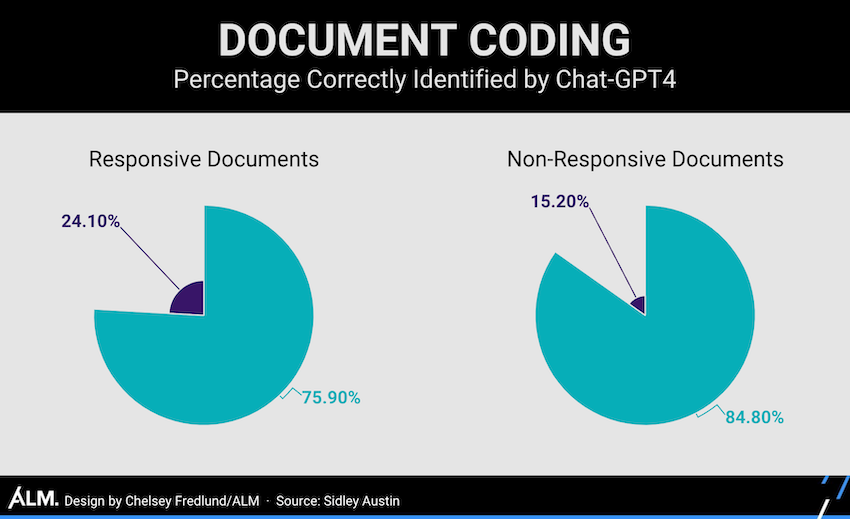
Sidley Austin, a leading law firm, recently undertook a groundbreaking experiment to evaluate the efficacy of GPT-4, the latest generative AI model from OpenAI, in the realm of e-discovery and document review. This article delves into their findings, shedding light on both the advantages and limitations of employing GPT-4 for legal document review.
The American Bar Association's 2023 Profile of the Legal Profession is a comprehensive report offering insights into the current state and trends of the legal sector in the U.S. This 140-page document details key statistics about lawyers, judges, and law students, covering aspects such as demographics, employment, law school trends, and the increasing diversity and virtualization in legal practices.
As the legal industry adjusts through an economic crunch driven by rising interest rates, law firms and clients are increasingly considering the adoption of alternative fee arrangements (AFAs). This shift, as reported by Andrew Maloney and further analyzed by Withum Smith+Brown's recent survey, indicates a cautious yet adaptive approach within the legal sector.
Discussing the adverse effects of the term "Non-Lawyer" and arguing for why it's time to retire this divisive label in favor of a more empowering “Legal Professional”.
In an early test of the interplay between artificial intelligence (AI) and copyright law, the US District Court for the Northern District of California recently allowed a copyright infringement claim to proceed against an AI developer that used an artist’s works without authorization to train a machine learning model.